
The Menu With No Hours
At noon on a Saturday, a breakfast menu looked tempting. I couldn’t tell whether breakfast was still being served.
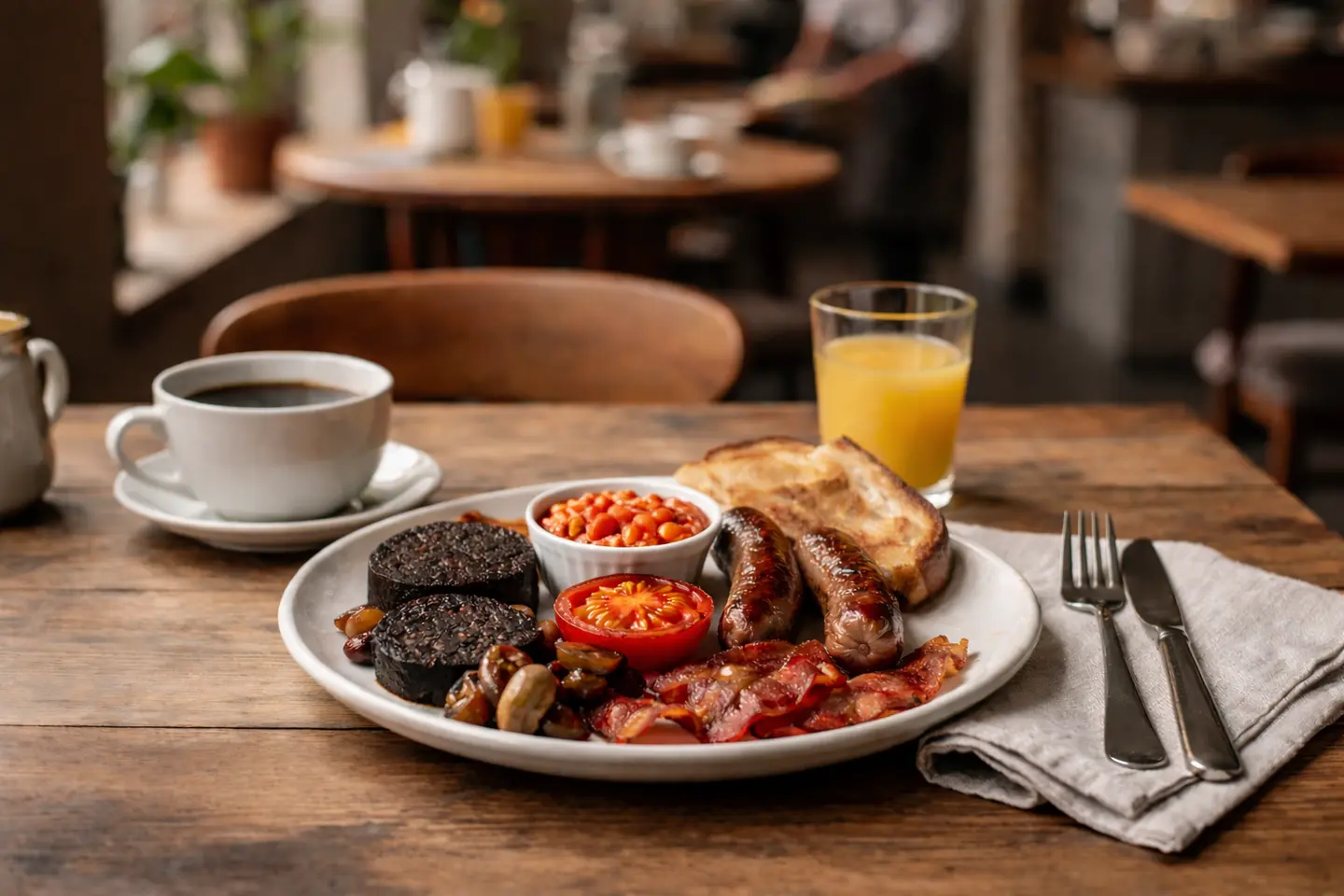
At noon on a Saturday, we were checking out of our accommodation and looking for breakfast before the drive home. A nearby pub looked perfect.
Good website, tempting menu, full English, prices, photographs. Everything you might reasonably need to decide whether you fancied breakfast there.
Almost.
There was no indication of when breakfast finished. The pub was open, that much was clear, but whether the kitchen was still serving the breakfast being enthusiastically displayed on its website was a mystery.
So I did what customers do when presented with a mystery they have absolutely no interest in solving. I looked somewhere else.
Another place said breakfast was served until 2pm, so we went there. The first pub may well have been serving breakfast at noon.
We’ll never know.
The missing information was the important bit
There’s something slightly odd about displaying an entire breakfast menu without saying when people can order it. It’s a bit like publishing a train timetable without the departure times.
The food looked good. The prices were clear. Somebody had taken photographs and uploaded the menu. But at the precise moment we were deciding whether to go, none of that was the information we needed.
We needed four words: Breakfast served until 1pm.
Or noon. Or two. Whatever the answer happened to be. Without it, a beautifully presented menu had become surprisingly unhelpful.
Inside the pub, everyone knows
This is one of those problems that can be almost invisible from inside a business. Ask anyone working there what time breakfast finishes and they’ll presumably know. They know when the kitchen changes over, when the last breakfast order can go through and they probably answer the question several times a week.
Which makes it very easy to forget that somebody sitting in a car twenty miles away knows none of this.
Opening hours don’t solve the problem either. A pub being open until 11pm tells you remarkably little about whether you can get a plate of chips at 9.15.
The business thinks in several different clocks: doors open, breakfast finishes, lunch starts, kitchen closes, bar closes.
The customer just wants to know whether they can eat.
We were already trying to buy
This is the bit that matters commercially. The pub didn’t have to persuade us to consider it. We’d already found it, visited the website, looked at the menu and liked what we saw.
That’s quite a lot of the hard work already done.
All that remained was confirming that the thing being advertised was actually available. Instead, the uncertainty created another little task: search the website again, check Google, look at Facebook or phone them.
None of those things is particularly difficult.
But neither is going somewhere else.
And that’s what makes small bits of friction interesting. Customers rarely announce that they’ve encountered them.
The phone call that never happened
If enough people phone and ask, “What time do you stop serving breakfast?”, somebody may eventually notice there’s a problem. But those aren’t necessarily the customers to worry about.
They’re the determined ones. They’ve decided they want your breakfast badly enough to find your number and call you.
The more interesting group is invisible. They search, don’t find the answer and choose somewhere else. There’s no complaint, no abandoned online basket and no member of staff hearing why the sale disappeared.
From the pub’s perspective, absolutely nothing happened.
Which is exactly the problem.
Make the offer complete
There’s a reasonable explanation for why service times get missed online. They change. Weekend hours differ, kitchens run later in summer, Sunday has its own rules and Christmas arrives and everything becomes temporary.
Nobody wants six different versions of the truth scattered across a website, Google and social media. But leaving out the answer doesn’t remove the problem. It gives it to the customer.
So start with the simplest test. If you advertise something that’s only available at certain times, can a customer see those times in the same place?
Breakfast menu, breakfast hours. Sunday lunch menu, Sunday lunch hours. Food menu, kitchen hours.
Then listen for the questions staff keep answering. Because if someone behind the bar has answered the same question fifty times, the problem probably isn’t that customers keep asking it.
It’s that the business keeps making them ask.
And occasionally, they won’t.