Gu3stWiFi?
I check into a small independent hotel. After being shown to my room, I open my laptop, reach for the WiFi details on the welcome card… and stop.
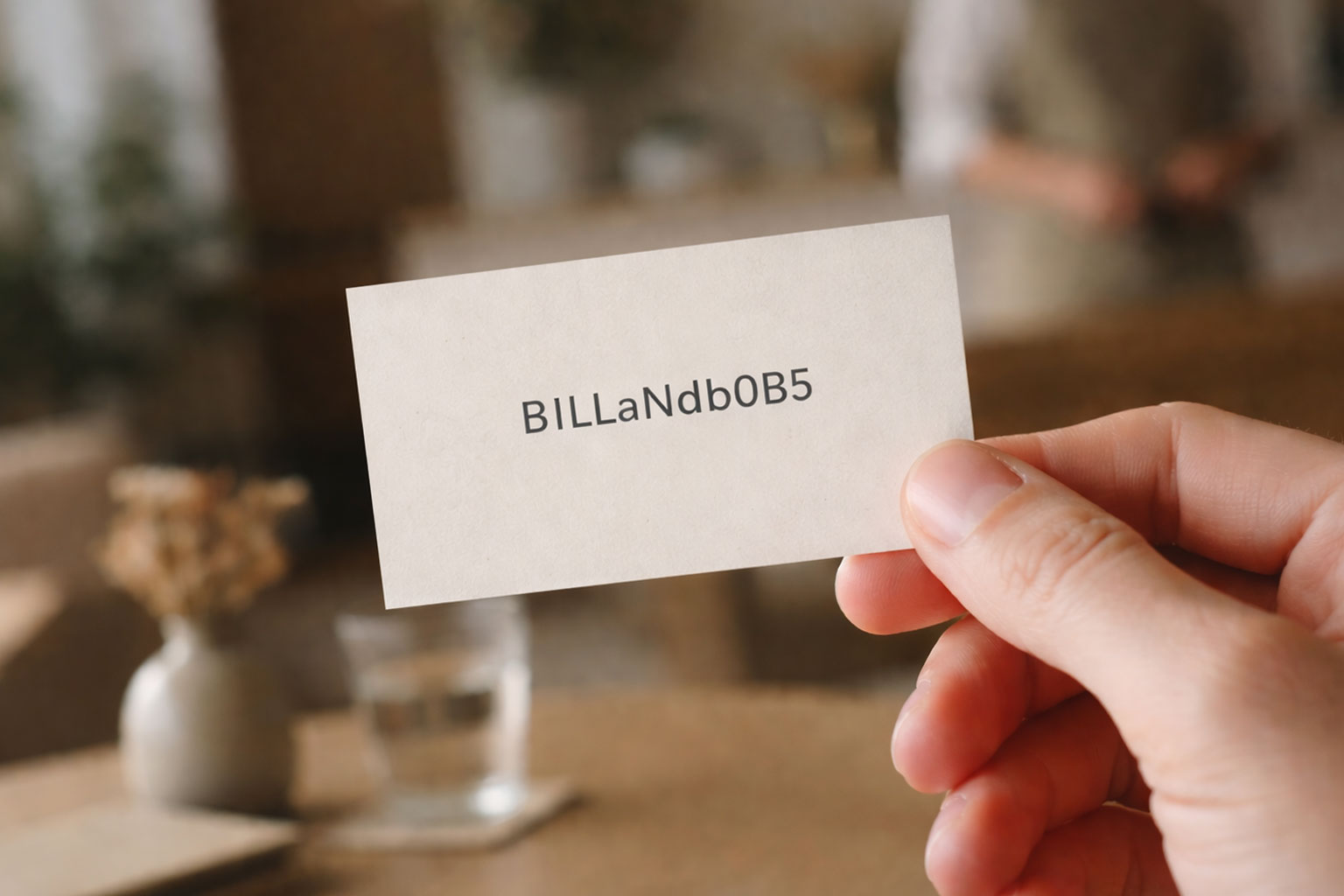
The network name is straightforward. The password is not. A tight sequence of upper and lower case letters, numbers inserted without pattern, no word shape to hold in memory. I type it once. Incorrect. Again, slower. Incorrect. A third time, cross-checking each character against what resembles a serial number more than a service detail.
The room is calm. Linen pressed. Lighting soft. But the first operational interaction I have alone carries friction.
This moment is not confined to hotels.
In cafés, the password is handwritten on a chalkboard behind the counter. In bars, it is printed at the bottom of a menu in small type. In casual dining rooms, staff recite it verbally while balancing plates. The format changes. The hesitation remains.
Connectivity now sits alongside water, heat and lighting as assumed infrastructure. When access requires effort, that effort lands early.
It’s a small interruption. But small interruptions accumulate.
Operator intent
No independent operator sets out to frustrate guests at the point of login.
The intention is usually protection. Security. Responsibility. Perhaps the router arrived with a factory password and it was left untouched. Perhaps complexity feels prudent. In other contexts, strong passwords signal seriousness.
The instinct is understandable. No one wants misuse of their network. No one wants to appear careless.
Yet in most independent hospitality environments, the perceived threat and the commercial reality rarely align.
Guest WiFi networks are typically separated from internal systems. They’re designed for public access. The stronger risk isn’t intrusion. It’s friction.
The system beneath it
Every WiFi interaction is a system decision.
In many independent settings, the password decision is made early and then left alone. The router is installed. The default is replaced with something that feels suitably secure… often borrowing the same principles used at home. That string is then reproduced indefinitely on cards, menus or signs, long after anyone has questioned whether it serves the guest.
In this case, the system feels undefined rather than deliberately designed. Complexity has been accepted as neutral.
But nothing at the guest interface is neutral.
A password isn’t merely a security string. It’s part of the service ritual. It is a moment where the business either reduces cognitive load or increases it.
An easy, memorable phrase aligned with the tone of the venue doesn’t meaningfully weaken a segregated guest network. But it dramatically lowers friction at the point of use.
Changing it is a five-minute operational task.
Leaving it untouched is also a decision.
The pattern
The WiFi password rarely stands alone as the only undefined rule.
In the same café, breakfast service might shift informally depending on who’s on shift. In the same bar, table service may flex without clear signalling. In the same hotel, heating controls may require interpretation rather than instinct.
Individually, each moment is tolerable. Together, they create subtle instability.
The WiFi interaction is often one of the first independent touchpoints. In a hotel, it happens alone in the room. In a café, it happens at the counter with a queue forming. In a bar, it happens mid-conversation.
In each case, a guest pauses, rechecks, retries.
That pause registers.
Commercial consequence
Hospitality trades on ease.
When connectivity works first time, guests settle faster. Settling increases dwell time. Increased dwell time increases the likelihood of a second drink, a reordered coffee, an additional course.
When connectivity frustrates, even briefly, the environment feels less controlled.
The commercial lever is directional rather than dramatic. Reduce micro-friction and pricing tolerance widens over time. Increase friction and tolerance narrows.
There’s also labour implication. Each failed login increases the chance of staff intervention. A two-minute support interaction, multiplied across dozens of guests per week, becomes measurable.
The password itself doesn’t determine revenue. The accumulation of small resistances does.
The principle
Clarity at the point of use builds trust faster than complexity protects risk.
The reset
Change the guest WiFi password to a short, memorable phrase aligned with the tone of the venue.
Avoid ambiguous characters and unnecessary case shifts unless technically required.
Test the login process from cold, in the room or at a table, and time how long it takes without assistance.
Nothing visible shifts in the space.
But when it connects first time, the guest settles faster. The room feels easier.
Experience follows the systems that produce it.